Territory
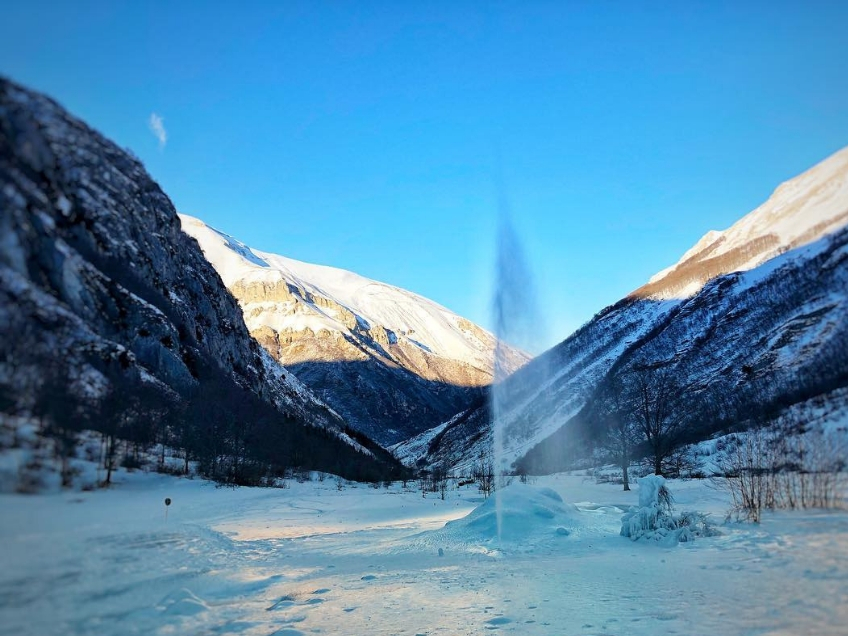
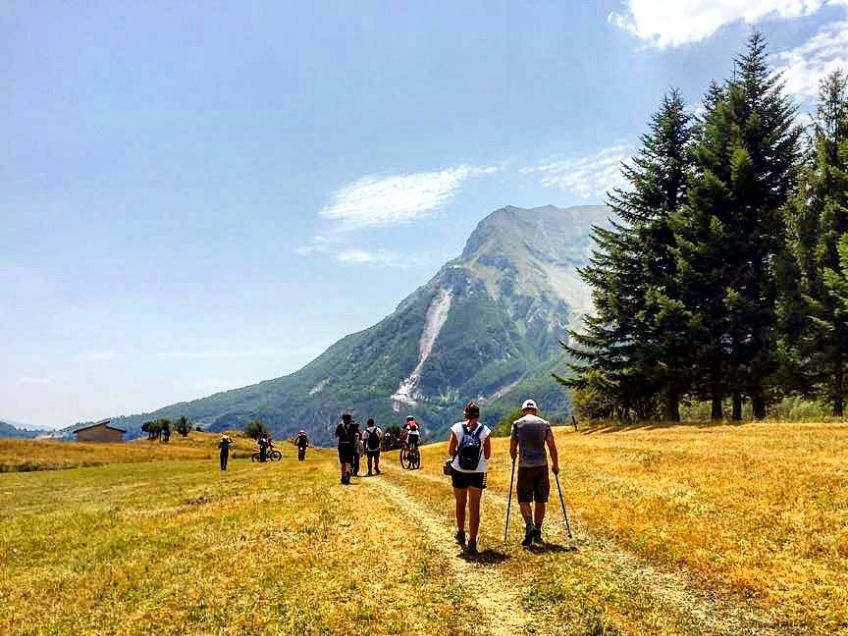
At the foot of the Vettore mountain (1080 mt.), in the green heart of the national park of Sibillini Mountains, stands the village of Altino, the solitary and silent town centre belonging to the territory of Montemonaco.
Territory
At the foot of the Vettore mountain (1080 mt.), in the green heart of the national park of Sibillini Mountains, stands the village of Altino, the solitary and silent town centre belonging to the territory of Montemonaco.
Territory
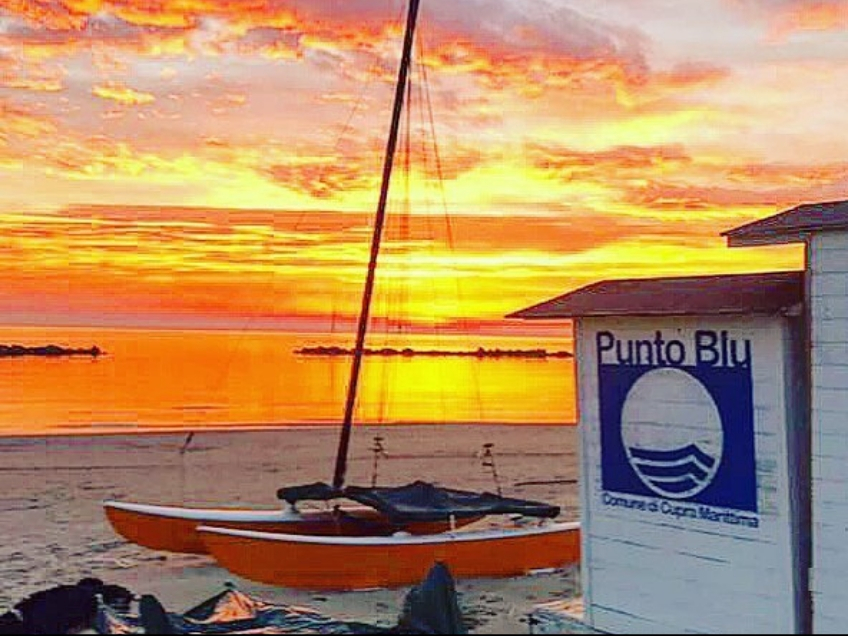
Cupra Marittima is one of the most interesting town situated on this seaside also known as “Riviera delle palme”.
Cycling holidays
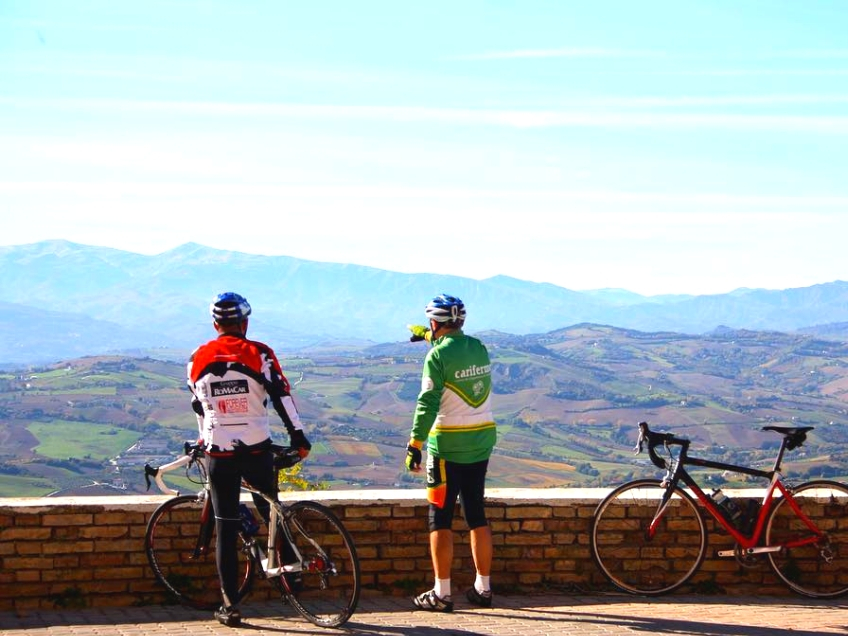
From Cupra Marittima we head south and, following the SS16 we pass through Grottammare and San Benedetto del Tronto.
Territory
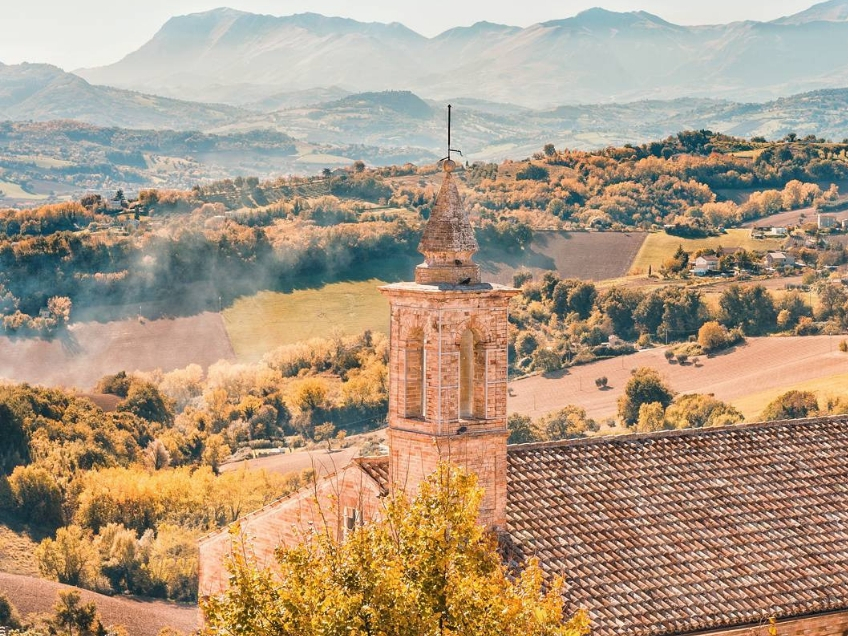
It is believed that the first form of urban settlement that eventually gave rise to the town of Montegiorgio existed since prehistoric times.
Territory
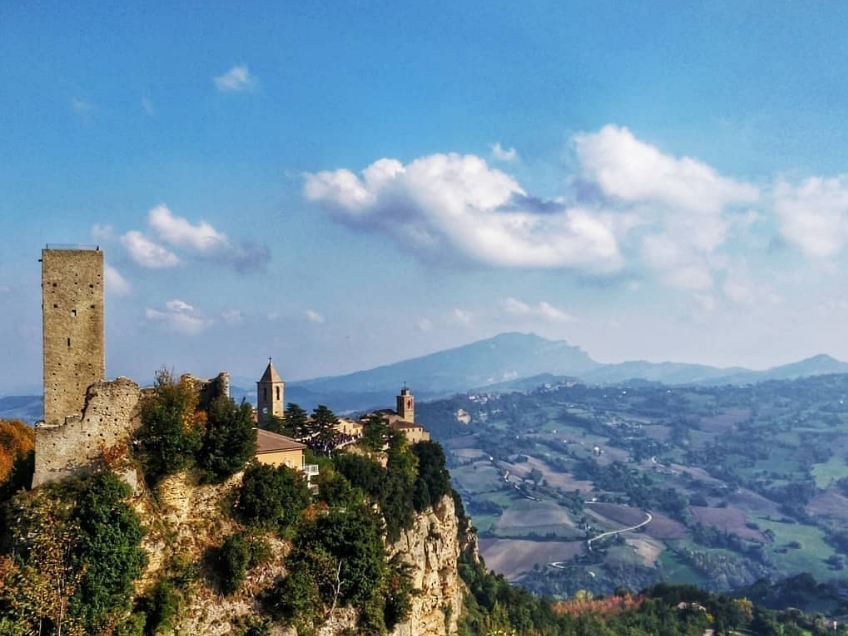
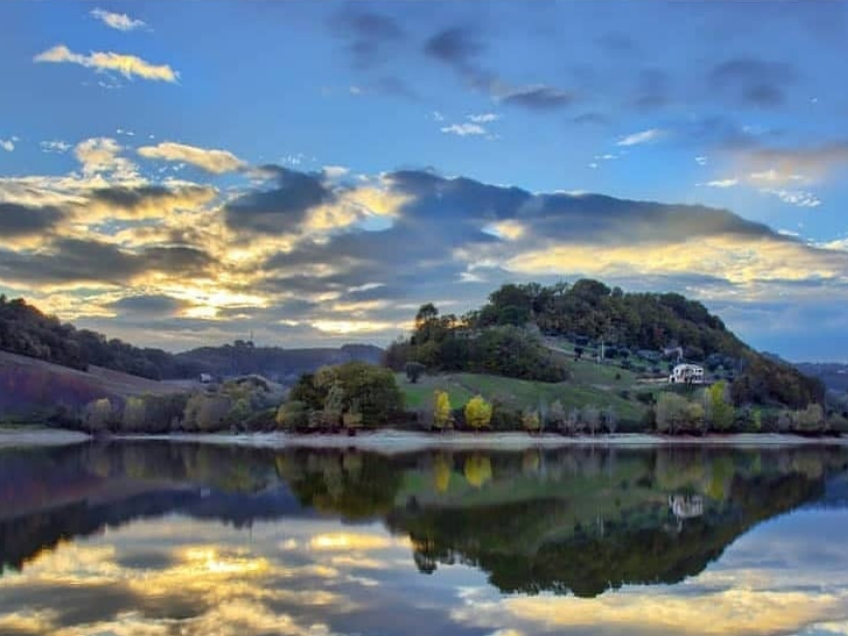
Since 2003 certified as one of “the most beautiful Italian towns”, this charming medieval village sits on top of five different hills.
Territory
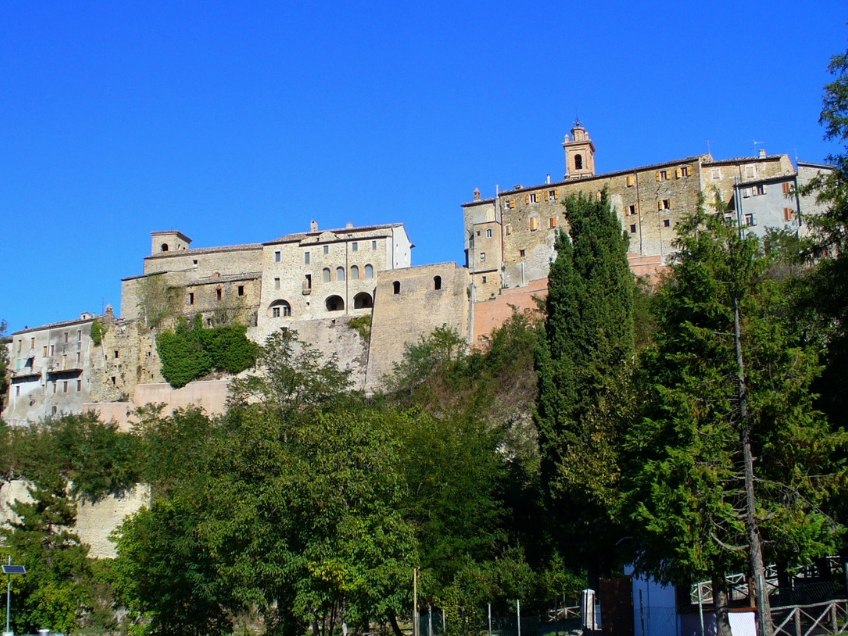
The urban settlement of Force occurred thanks to the populations of the near valleys, that were looking for a safe place in which refuge, to escape the barbaric invasions that devastated the whole area in the V century d.C.
Cycling holidays
Il placido percorso tra le palme e la macchia mediterranea è quanto di meglio offre al cicloturista questo tratto della costa marchigiana meglio nota come “ Riviera delle Palme “.
Cycling holidays
Starting from Piazza della Libertà we head north for about 190m and just crossed the bridge along the SS16 turn left onto the paved road that follows the river Sant Egidio...
Territory
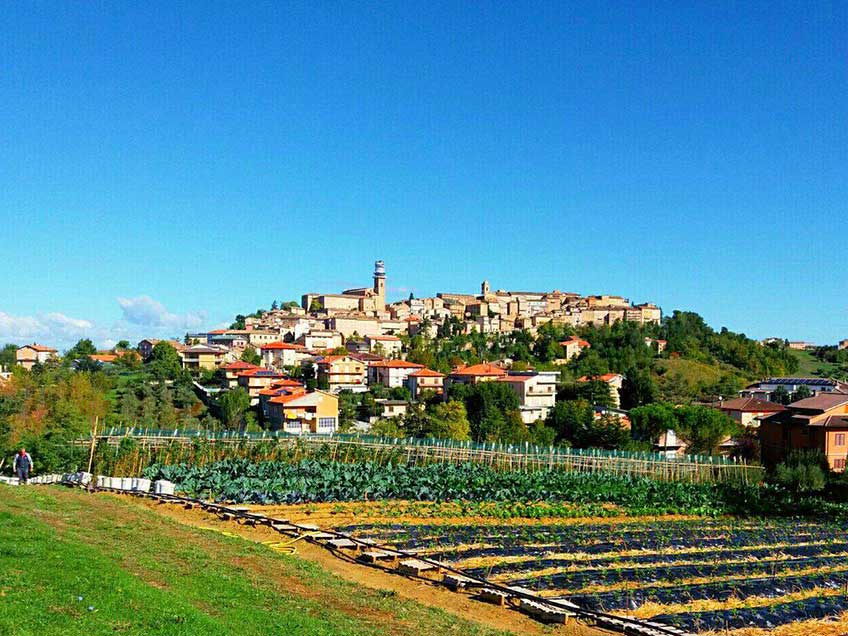
Near Falerone, in the 1960s, some archaeological exavation dug up some ruins of an ancient necropolis...
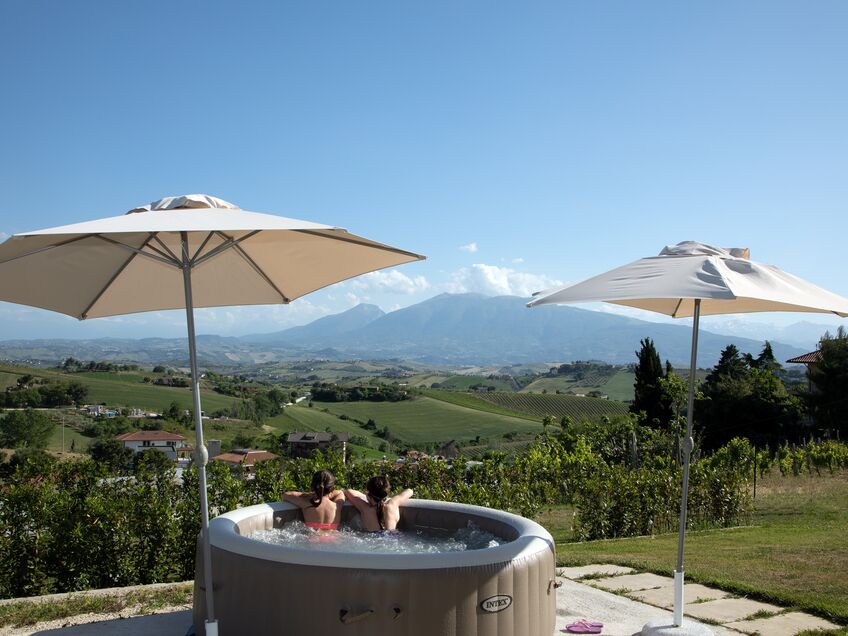
for 7 days, three-room apartment (4/6 places) from € 270